
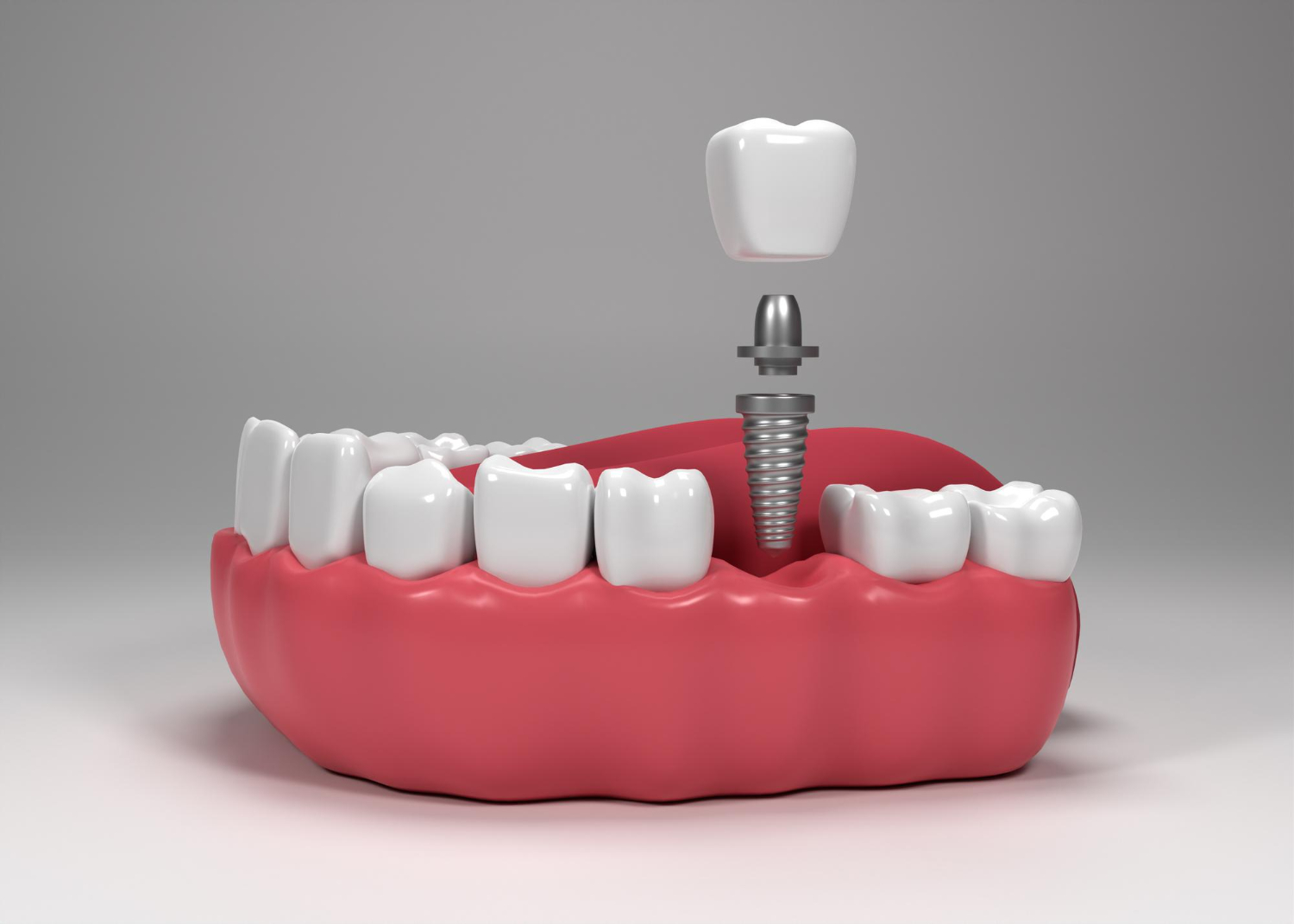
Missing teeth can affect more than the appearance of your smile. They can make chewing difficult, affect speech, alter your bite, and gradually contribute to changes in the surrounding teeth and jawbone. Dental implants provide a durable tooth-replacement solution designed to restore both the function and natural appearance of missing teeth. An implant acts as an artificial tooth root that supports a replacement crown, bridge, or other suitable restoration.
With proper planning and good oral hygiene, dental implants can provide a stable and long-lasting solution for patients looking to replace missing teeth. Each case is carefully evaluated to determine whether dental implant treatment is appropriate based on oral health, bone condition, and individual treatment goals.
Dental implants may be considered for patients who have:
A detailed dental evaluation helps determine the most suitable tooth-replacement option.
Dental implants offer several advantages compared with conventional tooth-replacement options:
Successful implant treatment begins with comprehensive diagnosis and treatment planning. The condition of the gums, remaining teeth, jawbone, and bite is evaluated before proceeding.
The treatment process may include:
Additional procedures may sometimes be recommended when there is insufficient bone or other oral health concerns.
Dental implants may be suitable for adults with healthy gums, adequate bone support, and good overall oral hygiene. Patients with gum disease, significant bone loss, or certain health conditions may require additional evaluation or treatment before implant placement.
Maintaining healthy gums and following professional recommendations are important for achieving successful long-term results.
Good oral hygiene is essential after dental implant treatment. Brush twice daily, floss or use recommended interdental cleaning methods, avoid tobacco products, attend regular dental check-ups, and follow professional maintenance recommendations. Routine examinations help monitor the implant, surrounding gums, and restoration.
With careful diagnosis, advanced treatment planning, and appropriate aftercare, dental implants can restore missing teeth and help patients regain comfortable chewing, natural-looking smiles, and greater confidence. A personalized implant treatment plan ensures that every stage is carefully considered for long-term oral health and function.